
Despite being on the roster at a local parish, I haven’t felt “settled” into a community. My faith itself is okay—I’m always reading something, and I talk with God daily in some fashion. But the “community” aspect has always been lacking. I’ve participated in Bible studies, and I’m part of the music ministry, and I’ll always support the Knights of Columbus post-Mass breakfasts. But I’m not that close with anyone. I’m still “new,” trying to find where I belong.
A couple weeks ago I spent time with my home parish. There was a women’s Habitat for Humanity event, where I learned how to paint a basement floor. I talked with them during lunch break, our boots and jeans dusty as we shared pizza that we all chipped in for. The next day was the parish picnic, where I probably shouldn’t have eaten both a hot dog and hamburger, but it was in the spirit of things. I won the first round of bingo.
I won’t say I know more people there. I barely know anyone, outside my RCIA group, and I didn’t see any of them there. But I got the sense of being part of something. Laughing with others, or being part of a group eyeing up the desserts. I could do these same things at my local parish, but it doesn’t feel the same.
Community is a strange concept. I can easily connect with individual people, but it’s more challenging when it’s a group. The larger the group, the more I don’t know what to do. And when you talk of being “part of the church,” I imagine everyone knowing one another, even if that’s irrational. I imagine a tight-knit group who have occasional meals together and check up on one another outside Sunday morning. It’s weird to consider being a part of something like that. Not that I don’t want to—I want church friends, people I hang out with even outside Mass. But that’s also intimidating. Sometimes I like being anonymous, worshipping on my own and in my own way. Talking to Jesus as I sit beside someone is almost too personal, like they can hear what I’m saying. (Even though we’re all doing it.)
But I’ve also never been part of that sort of community. I had friends at the Baptist church, but the worship there is different. It’s more lecture-style than prayer, and I have no problem learning amongst fellow believers. But to pray? St. Matthew talks about entering your prayer closet. So into the closet I go, and lock the door behind me.
There are benefits to being part of a parish, though. Not just to have your name on the records, but be part of it. Attending Bible studies, being part of ministry, volunteering for the community. There’s probably no one who knows absolutely everyone in the church. There’s no parish mayor. But smaller groups form. I started by saying I “barely know anyone,” but that means I know someone. But I also have to make the effort to form those bonds. To attend events, to remember names. (I’m not great with the latter.) So when you see someone in church the next day, you can say hello, and maybe sit together.
Community is also where you belong. I can put my name down as member of anywhere, but that doesn’t mean I fit in there. There’s something to be said for meeting people like yourself, whether it’s the same gender, age, or nationality. It’s no mistake that I befriend the Italian-Americans first wherever I go. We understand one another, even if that friendship is first forged around pasta. When there’s no common ground, it’s harder to build a connection, and even harder to feel like you belong.
I’ve been locked in my prayer closet for too long, but there has to be a balance. I need to branch out. Volunteer with others, attend the classes, talk to people. It’s hard for me to talk with people I don’t know. But once you start talking, they’re no longer strangers. Maybe not friends quiet yet, but at least someone you can wave to when you see each other.
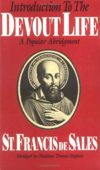 As with most books, I bought it immediately but did not read it immediately. I have a lot of books to get through, you understand. But I grabbed it recently, mostly because I needed a small book to carry on an airplane, but was drawn into it by the introduction alone. That two-hour flight passed quickly.