
• Have Rosary, Will Travel

    It had been a while since I’d gone hiking with the Catholic group. Or, admittedly, hiking in general. I’d been anticipating autumn to take to the trails, and I was (perhaps) a little annoying as I pointed out every evidence of the season.
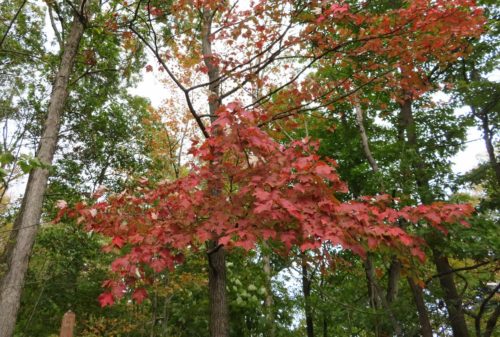
    (IT’S FALL)

    I got into hiking during my searching period, when anything and everything was a message from God. Especially being out in nature—it’s a chance to turn off your phone and explore His creation. It feels natural to take a break for prayer when being immersed in nature, or to talk God with companions as you trudge uphill (even if you’re short of breath).

    One of the first times I hiked with this group was during the months of study and curiosity, before I’d committed to conversion. We sat atop a mountain, beneath what little shade we could find, and they prayed the rosary. I sat in the back and listened—I barely even knew the Hail Mary—and it was hypnotic. Afterward, a new friend asked me what I thought, and I admitted that it was beautiful. I didn’t have to participate. I didn’t have to understand. But I knew something was happening as they prayed together.

    It was a smaller group this past weekend. We weren’t at the mountain top, and there wasn’t even any shade, but we walked the trail with rosary in hand. The leader would pause after a section of prayers, waiting for someone else to begin the next. I’d help lead the rosary only once before, but during one of those pauses… I jumped in.

    There’s something to be said for walking and praying, harmonizing the words to the monotonous clomp of hiking boots. Looking up while saying the Hail Mary, gazing upon the slight evidences of autumn and the sunshine that had just started to emerge. It wasn’t lost on me that the ones who lead the prayers were me, my priest, and my sponsor.

    My sponsor gifted me my first rosary, which I keep in my hiking bag. It’s also my only rosary that’s been blessed (and on the trails!), so it’s doubly special. I like knowing it’s there, whether or not it gets used on a hike. But those little wooden beads have come a long way—into the hands of this skeptical future Catholic, to the wilds where she guided others in prayer. It felt like coming home. Not exactly like it was in those first few Catholic hikes, when I wasn’t yet a part of it. Something better.

    Me and my little rosary have a lot more adventures to go on.

  • My Confirmation Namesake

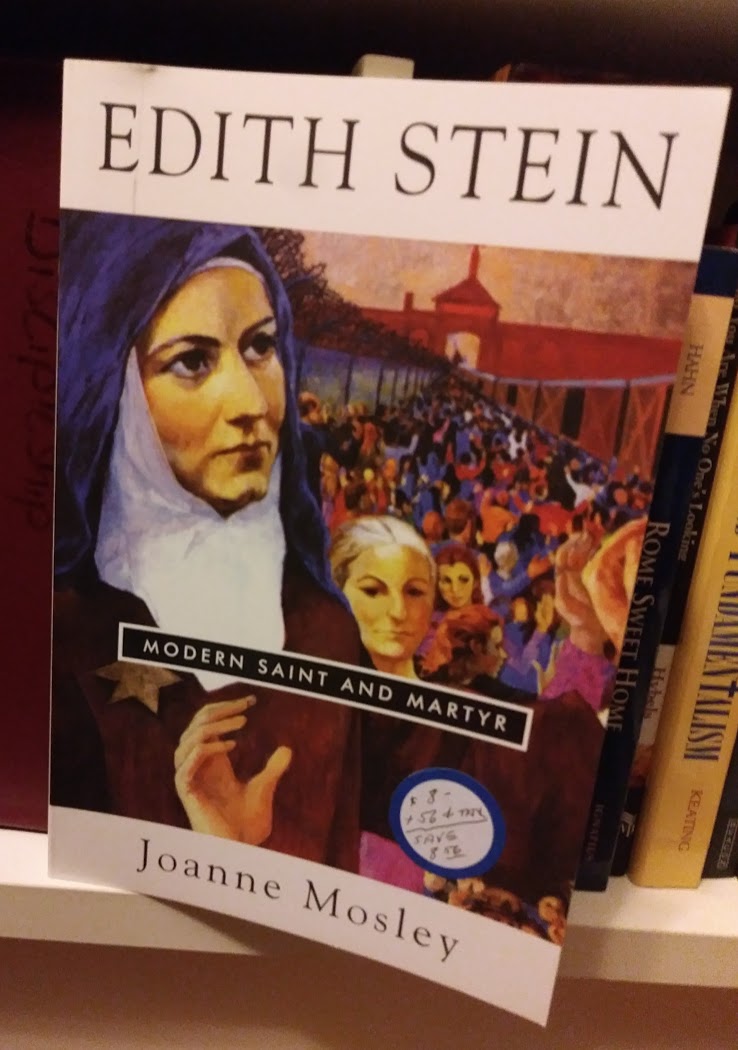
    I’d been searching for a book on St. Edith Stein for some months. I’d claimed her name as my own in Confirmation, but knew merely the basics of her story—she was a feminist during WWII, a Jewish convert who perished in Auschwitz. With “basics” like that, I was eager to know more.

    On the first night of my Loyola retreat, I was browsing the gift shop when I saw it: one singular copy of Modern Saint and Martyr, an Edith Stein biography, on sale for half price. As if God had set it aside just for me.

    [Edith Stein] traveled the arduous path of philosophy with passionate enthusiasm. Eventually she was rewarded: she seized the truth. Or better: she was seized by it. Then she discovered that truth had a name: Jesus Christ.

    Little is known of Edith’s life, but this is a good introduction to what we know. She was raised in a Jewish family, teetering the line of agnosticism for a while, but always on the search for truth. I imagine her fear and awe when she discovered that truth in Jesus, and the relief at having found him. She was adamant about joining the Carmelite Order, though they denied her several times. When she was finally accepted, though, it was the only place anyone could imagine her to be.

    “Whoever seeks the truth is seeking God, whether consciously or unconsciously.” —St. Edith Stein

    I didn’t understand all she encompassed when I took on her name, but like Edith as a Carmelite, I can’t see myself being tied to anyone else. Edith taught women that they can be anything: They can marry, or not; they can bear children, or not. They can be wife to God in consecrated life, and spiritual mother to those in need. Edith was also tied to her Jewish identity, even after conversion, which would have been easy to throw away during an era of Jewish persecution. Though I’ve always felt a kinship with God’s chosen people through our shared history, it wasn’t until my own conversion that I fully understood how closely knit we are—in Jesus Christ, the fulfillment of the Law. Catholicism isn’t independent of Judaism, and Edith knew this first-hand.

    I came for the stubborn WWII feminist, but was also filled with her peace in God, affection for her Jewish roots, and a desire to serve others. And, with a list of her published works in the back, my to-read list just grew infinitely larger, too.

    “Prayer is looking up into the face of the Eternal. We can do this only when the spirit is awake in its innermost depths, freed from all earthly occupations and pleasures that numb it.”


And they said to him, “Inquire of God, we pray thee, that we may know whether the journey on which we are setting out will succeed.”

And the priest said to them, “Go in peace. The journey on which you go is under the eye of the LORD.”

—Judges 18:5–6

Categories